Precision medicine is an approach that tailors patient care to individual characteristics to target the right treatments to the right patients at the right time.1,2

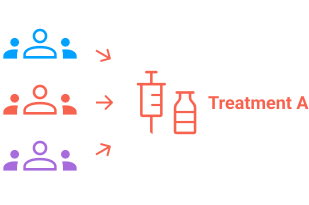
Traditional Medicine

Historically, treatment strategies in oncology have largely been one-size-fits-all.2

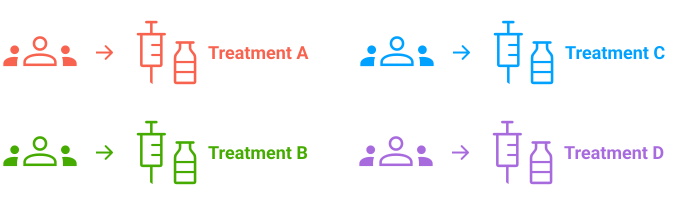
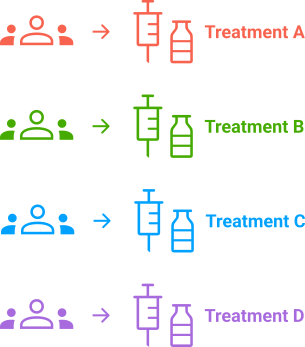
Precision Medicine

More tailored approaches to patient care have grown out of advancements in our understanding of oncology and developments in molecular and digital technologies.1,2

Biomarker Testing

Precision medicine leverages measurable molecular indicators to characterize tumor-specific and patient‑specific features, allowing for more informed diagnostic and therapeutic decisions.3
Actionable biomarkers are a category of biomarker that can guide treatment decisions due to the available therapies that target the specific biological aberration.4-6
Biomarkers
Examples
DNA4,5
EGFR, MET
Protein4,5
PD-L1, HER2, c-Met (MET)
RNA7,8
MET, NRG1
Biomarker Classifications4,9
Diagnostic
Identify or confirm cancer/cancer subtype
Predictive
Predict likelihood of response to therapy
Prognostic
Predict likely course of disease, including disease recurrence or progression
Actionable
Inform a potential target for therapy
With the expansion of biomarker panels available across various tumor types, it’s important to recognize that their clinical utility is disease- and patient-specific. The molecular diversity of these biomarkers requires different tools and technologies for their evaluation.5,10,11

TOOLS AND TECHNOLOGIES

Precision medicine utilizes diverse tools applicable to a range of cancer types. Different tests and technologies have distinct capabilities, sensitivities, and applications, but all aim to identify molecular signatures that drive cancer growth and can influence treatment response.3​

Immunohistochemistry (IHC)

  • Widely used technique that utilizes antibodies to detect specific proteins in tissues12-15​
  • Provides spatial context, allowing for the direct visualization of protein expression within the tissue architecture, which can be quantified as percentage of cells stained and intensity of staining12-15​​
Image adapted from Kim et al. J Pathol Transl Med. 2016;50(6):411-418.

Polymerase Chain Reaction (PCR)

  • ​Common molecular method for detecting gene mutations, typically targeting and amplifying a specific gene3,16,17
  • Rapid and sensitive assay that does not require much source material17

In Situ Hybridization (ISH)

  • ​Method for detecting gene copy-number changes, rearrangements/fusions, or gene amplification3,18-20
  • Fluorescence ISH (FISH) uses fluorescently labeled probes for detection of copy-number changes and rearrangements⁠/⁠fusions3,20
  • Chromogenic ISH (CISH) typically utilizes a peroxidase-based chromogenic reaction19​

Next-generation Sequencing (NGS)

  • ​High-throughput approach for identifying a broad spectrum of genomic alterations in DNA21,22
  • Simultaneous sequencing of multiple genes or whole genomes allows pathologists to detect several alterations at once21,22

RNA-sequencing (RNA-seq)

  • NGS technology that enables both comprehensive gene expression analysis and detection of novel transcripts, splice variants, and gene fusions23​
  • Analyzing RNA species beyond mRNAs can potentially offer a deeper understanding of tumorigenesis, as non-coding RNAs are key regulators of gene expression and cancer progression23​

Proteomics

  • ​Large-scale characterization of cellular and tissue proteomic profiles, including post-translational modifications24​
  • Advanced mass spectrometry techniques enable quantification and functional assessment of signaling pathways relevant to cancer progression and therapy response25,26

Artificial Intelligence (AI)

Advances in computational power and algorithm development have enabled the use of AI for precision medicine in oncology. However, integration into clinical practice requires rigorous validation, transparency in algorithm design, and adherence to regulatory standards.5,27

Support diagnostic processes27

Differentiate cellular changes or certain expression patterns that may be clinically significant5,27

Potential to integrate and interpret data across biomarker testing platforms to generate comprehensive insights5​

Protein Analysis

Genomic Analysis

Additional Methodologies

Artificial Intelligence

Practical Considerations for Biomarker Testing

Selecting the appropriate biomarker testing technology requires balancing patient- and disease-specific factors with practical considerations such as sample source, turnaround time (TAT), and operational complexity.3,5,28

Tool or Technology

Sample Source
(Tissue Requirements)

TAT

Relative Cost

Assay Complexity

Selected Platform Examples

Key Considerations

IHC12,28-34

  • ​FFPE tissue sections (~4 slides)
  • ​VENTANA® BenchMark ULTRA and ULTRA PLUS Systems
  • Dako® Autostainer Link 48
  • Leica Biosystems® BOND® Staining Platforms
Different platforms and antibodies can lead to assessment variability due to differences in methodology

PCR16,28,33-37

  • ​FFPE tissue (Between 1–100 ng)
  • Liquid biopsy*
  • ​Bio-Rad® CFX Real-time PCR Systems
  • Qiagen® QIAcuity® Digital PCR System
Can only detect pre‑selected genomic aberrations

FISH20,28,33,38-41

  • ​FFPE tissue sections(~2–4 slides)
  • ​Dako Omnis® Instruments
  • Advanced Cell Diagnostics™ RNAScope® Assays

NGS33,39,42-46

  • ​Dissections from FFPE tissue (~300 bp of fragmented DNA/RNA)
  • Liquid biopsy*
  • ​Illumina® Sequencing Systems
  • Thermo Fisher Scientific® Ion Torrent® Genexus® System
Comprehensive genomic analysis that can detect a variety of aberrations and is not limited to targeted genomic aberrations

IHC

PCR

FISH

NGS

Relatively Low
Relatively Moderate
Relatively High
Tissue requirements, including tissue type, sample source, and sample volume, are subject to differences based on the technology or assay used.
*Can detect cfDNA, ctDNA, and CTCs.21,47,48

Biomarker Testing Journey

Biomarker testing can be performed at multiple points throughout the patient journey; specific timing is guided by individual patient and disease characteristics.49​

Initial Workup
and Diagnosis
1L Treatment
No Response/Progression
2L+ Treatment
Biomarker testing and subsequent reporting can influence clinical considerations depending on the biomarker classification.4,9
Diagnostic
Prognostic
Predictive
Actionable
Biomarker testing and subsequent reporting can influence clinical considerations depending on the biomarker classification.4,9
Diagnostic
Prognostic
Predictive
Actionable
Initial Workup
and Diagnosis
1L Treatment
No Response/Progression
2L+ Treatment

Sample Considerations

Test Selection

Analysis and Reporting

Sample Acquisition

Sample adequacy (optimal quantity and quality) is essential for accurate, comprehensive biomarker testing while minimizing the need for a repeat biopsy.49​
Depending on the assay, sample types can include3,50:
Resection
Biopsy
Cytology
Blood draw

Sample Preparation and Processing

Controlling pre-analytic conditions—such as cold ischemia time and stabilization duration—is essential to preserving nucleic acid and protein quality and integrity for accurate biomarker analysis. Biomarker testing with the appropriate assays requires adherence to testing parameters and recommendations for pre-analytic conditions.49
Key steps include49:​
Specimen fixation
Centrifugation
Tissue processing and embedding
Tissue requirements, including tissue type, sample source, and sample volume, are subject to differences based on the technology or assay used.
The specific technology used for testing depends on whether the biomarker is a protein or nucleic acid, such as DNA or RNA.3
Testing is performed using various methods, including but not limited to3​:

Biomarker

Protein Analysis

​IHC
Proteomics

Genomic Analysis

​PCR
NGS
FISH
When selecting the type of biomarker test or panel to order, it is important to consider key factors such as the availability of validated assays or panels and technical expertise.3
The clinical assessment of biomarkers detects either changes in protein, RNA, or DNA.​​3​​

Biomarker

Protein Analysis3

Genomic Analysis3

​IHC
Proteomics
​PCR
NGS
FISH

Protein Staining Intensity and Quantification3​,29,30

Differential Protein Expression51​

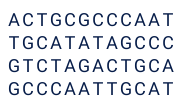
Mutations3

ACTGCGCATC

Genome-wide Analysis21​

Chromosomal Aberrations3​

Biomarker

Protein Analysis3

​IHC
Proteomics

Protein Staining Intensity and Quantification3​,29,30

Differential Protein Expression51​

Genomic Analysis3

​PCR
NGS
FISH

Mutations3

ACTGCGCATC

Genome-wide Analysis21​

Chromosomal Aberrations3​

Successful biomarker analysis and reporting depends on collaborative evaluation by the multidisciplinary team (MDT) and careful evaluation by experts. Clear and clinically relevant reporting ensures that the MDT not only receives the biomarker results, but also understands their implications for therapeutic decision-making and patient care.57​
1° Ab=primary antibody; 2° Ab=secondary antibody; 1L=first-line; 2L+=second-line and beyond; AI=artificial intelligence; bp=base pairs; cfDNA=cell-free DNA; CISH=chromogenic in situ hybridization; c-Met/MET=mesenchymal-epithelial transition; CTC=circulating tumor cells; ctDNA=circulating tumor DNA; EGFR=epidermal growth factor receptor; FFPE=formalin-fixed paraffin embedded; FISH=fluorescence in situ hybridization; HER2=human epidermal growth factor receptor 2; HRP=horseradish peroxidase; IHC=immunohistochemistry; ISH=in situ hybridization; MDT=multidisciplinary team; mRNA=messenger RNA; NGS=next-generation sequencing; NRG1=neuregulin 1; PCR=polymerase chain reaction; TAT=turnaround time.
References
1. US Food and Drug Administration. Precision Medicine. Accessed November 19, 2025. https://www.fda.gov/medical-devices/in-vitro-diagnostics/precision-medicine. 2. Sbitan L, et al. BMC Med Educ. 2025;25(1):90. doi:10.1186/s12909-024-06138-y. 3. Sarhadi VK, Armengol G. Biomolecules. 2022;12(8):1021. doi:10.3390/biom12081021. 4. Vidwans SJ, et al. Oncoscience. 2014;1(10):614-623. doi:10.18632/oncoscience.90. 5. Hirsch FR, Kim C. Oncol Ther. 2024;12(2):223-231. doi:10.1007/s40487-024-00271-w. 6. Navani N, et al. Lung Cancer. 2022:172:142-153. doi:10.1016/j.lungcan.2022.08.003. 7. Gupta B, et al. Lung Cancer (Auckl). 2024;15:143-148. doi:10.2147/LCTT.S464626. 8. Liang H, Wang M. Onco Targets Ther. 2020;13:2491-2510. doi:10.2147/OTT.S231257. 9. Carlomagno N, et al. Biomed Res Int. 2017;2017:7869802. doi:10.1155/2017/7869802. 10. American Cancer Society. Targeted Therapy. June 2, 2025. Accessed July 31, 2025. https://www.cancer.org/cancer/managing-cancer/treatment-types/targeted-therapy.html. 11. National Cancer Institute. Biomarker Testing for Cancer Treatment. December 14, 2021. Accessed July 31, 2025. https://www.cancer.gov/about-cancer/treatment/types/biomarker-testing-cancer-treatment. 12. Hawes D, et al. Modern Surgical Pathology. 2009:48-70. doi:10.1016/B978-1-4160-3966-2.00016-3. 13. McCampbell AS, et al. Appl Immunohistochem Mol Morphol. 2019;27(5):345-355. doi:10.1097/PAI.0000000000000593. 14. Fedchenko N, Reifenrath J. Diagn Pathol. 2014;9:221. doi:10.1186/s13000-014-0221-9. 15. Kim SW, et al. J Pathol Transl Med. 2016;50(6):411-418. doi:10.4132/jptm.2016.08.08. 16. Ruiz C, et al. Hum Mutat. 2020;41(5):1051-1068. doi:10.1002/humu.23987. 17. Khehra N, et al. National Library of Medicine, National Center for Biotechnology Information. Polymerase Chain Reaction (PCR). March 6, 2023. Accessed July 31, 2025. https://www.ncbi.nlm.nih.gov/books/NBK589663/. 18. Jensen E. Anat Rec (Hoboken). 2014;297(8):1349-1353. doi:10.1002/ar.22944. 19. Hanna WM, Kwok K. Mod Pathol. 2006;19(4):481-487. doi: 10.1038/modpathol.3800555. 20. Savic S, Bubendorf L. Arch Pathol Lab Med. 2016;140(12):1323-1330. doi:10.5858/arpa.2016-0202-RA. 21. Lin CL, et al. Life (Basel). 2021;11(9):890. doi:10.3390/life11090890. 22. Vendrell JA, et al. Oncotarget. 2017;8(25):40345-40358. doi:10.18632/oncotarget.15875. 23. Elkommos-Zakhary M, et al. Noncoding RNA. 2022;8(6):75. doi:10.3390/ncrna8060075. 24. Su M, et al. Cancers (Basel). 2021;13(11):2512. doi:10.3390/cancers13112512. 25. Cutillas PR, et al. PNAS. 2006;103(24):8959-8964. doi:10.1073/pnas.0602101103. 26. Macklin A, et al. Clin Proteomics. 2020;17:17. doi:10.1186/s12014-020-09283-w. 27. Mikdadi D, et al. Cancer Biomark. 2022;33(2):173-184. doi:10.3233/CBM-210301. 28. Roy-Chowdhuri S, et al. Cancer. 2024;130(24):4200-4212. doi:10.1002/cncr.34926. 29. VENTANA CLDN18 (43-14A) RxDx Assay Interpretation Guide for Gastric Adenocarcinoma including Gastroesophageal Junction (GEJ). 10215576EN Rev B. 2024-10-01. 30. VENTANA FOLR1 (FOLR1-2.1) RxDx Assay Interpretation Guide for Epithelial Ovarian, Fallopian Tube, or Primary Peritoneal Cancer. 1015089US Rev B. 2023-09-01. 31. Agilent. Dako Autostainer Link 48. Accessed October 29, 2025. https://www.agilent.com/en/product/autostainer-link-solution-for-ihc/autostainer-link-48/autostainer-link-48-75845. 32. Leica Biosystems. BOND IHC-ISH Instruments & Solutions. Accessed October 29, 2025. https://www.leicabiosystems.com/us/ihc-ish/ihc-ish-instruments/. 33. Passaro A, et al. Cell. 2024;187(7):1617-1635. doi:10.1016/j.cell.2024.02.041. 34. Roche Diagnostics. Automated slide staining systems. Accessed October 29, 2025. https://diagnostics.roche.com/us/en/products/product-category/lab-type/pathology-lab/automated-slide-staining-systems.html. 35. Patel PG, et al. PLoS One. 2017;12(6):e0179732. doi:10.1371/journal.pone.0179732. 36. Qiagen. QIAcuity Digital PCR System. Accessed October 29, 2025. https://www.qiagen.com/us/products/instruments-and-automation/pcr-instruments/qiacuity-digital-pcr-system. 37. Bio-Rad. Real-Time PCR Systems. Accessed October 29, 2025. https://www.bio-rad.com/en-us/category/real-time-pcr-systems?ID=059db09c-88a4-44ad-99f8-78635d8d54db. 38. Vysis ALK Break Apart FISH Probe Kit. 30-608521/R5. 2020-05. 39. Stenzinger A, et al. Oncologist. 2023;28(5):e242-2253. doi:10.1093/oncolo/oyad005. 40. Agilent. Dako Omnis Family of Instruments. Accessed October 29, 2025. https://www.agilent.com/en/product/dako-omnis-solution-for-ihc-ish/dako-omnis/dako-omnis-9443297. 41. Advanced Cell Diagnostics. RNAscope Manual Assays. Accessed October 29, 2025. https://acdbio.com/manual-assays-rnascope. 42. Bisson KR, et al. JTO Clin Res Rep. 2025;6(7):100837. doi:10.1016/j.jtocrr.2025.100837. 43. Ghoreyshi N, et al. Discov Oncol. 2025;16(1):578. doi:10.1007/s12672-025-01816-9. 44. Qin D. Cancer Biol Med. 2019;16(1):4-10. doi:10.20892/j.issn.2095-3941.2018.0055. 45. Illumina. Sequencing platforms. Accessed October 29, 2025. https://www.illumina.com/systems/sequencing-platforms.html. 46. Thermo Fisher Scientific. Genexus System. Accessed October 29, 2025. https://www.thermofisher.com/us/en/home/life-science/sequencing/next-generation-sequencing/instruments/genexus-system.html. 47. Kolostova K, et al. Am J Transl Res. 2021;13(5):4489-4499. 48. Vidlarova M, et al. Int J Mol Sci. 2023;24(4):3902. doi:10.3390/ijms24043902. 49. Compton CC, et al. Arch Pathol Lab Med. 2019;143(11):1146-1363. doi:10.5858/arpa.2019-0009-SA. 50. Roy-Chowdhuri S, et al. Arch Pathol Lab Med. 2020;144:933-958. doi:10.5858/arpa.2020-0119-CP. 51. RezaulK, et al. Genes Cancer. 2010;1(3):251-271. doi:10.1177/1947601910365896. 52. Penault-Llorca F, et al. Virchows Arch. 2022;481(3):351-366. doi: 10.1007/s00428-022-03344-1. 53. Colorectal Cancer Alliance. Understanding Your Biomarker Testing Report. Accessed October 20, 2025. https://colorectalcancer.org/treatment/types-treatment/why-biomarkers-matter/understanding-your-biomarker-test-report. 54. Baskovich B, et al. Arch Pathol Lab Med. 2024;148(10)1105-1109. doi:10.5858/arpa.2023-0235-CP. 55. Mayo Clinic Laboratories. PD-L1 Testing by Immunohistochemistry. Accessed November 20, 2025. https://news.mayocliniclabs.com/2022/08/22/pd-l1-testing-by-immunohistochemistry/. 56. Schmid S, et al. ESMO Open. 2022;7(5):100570. doi:10.1016/j.esmoop.2022.100570. 57. Fox AH, et al. Cancer. 2024;130(24):4188-4199. doi:10.1002/cncr.3428.

Welcome to
Unlock Biomarkers

This website is for healthcare professionals inside the United States only and is provided for informational purposes only.
Are you a healthcare professional practicing in the United States?

Yes, I am a healthcare professional in the US
No, take me to AbbVie.com
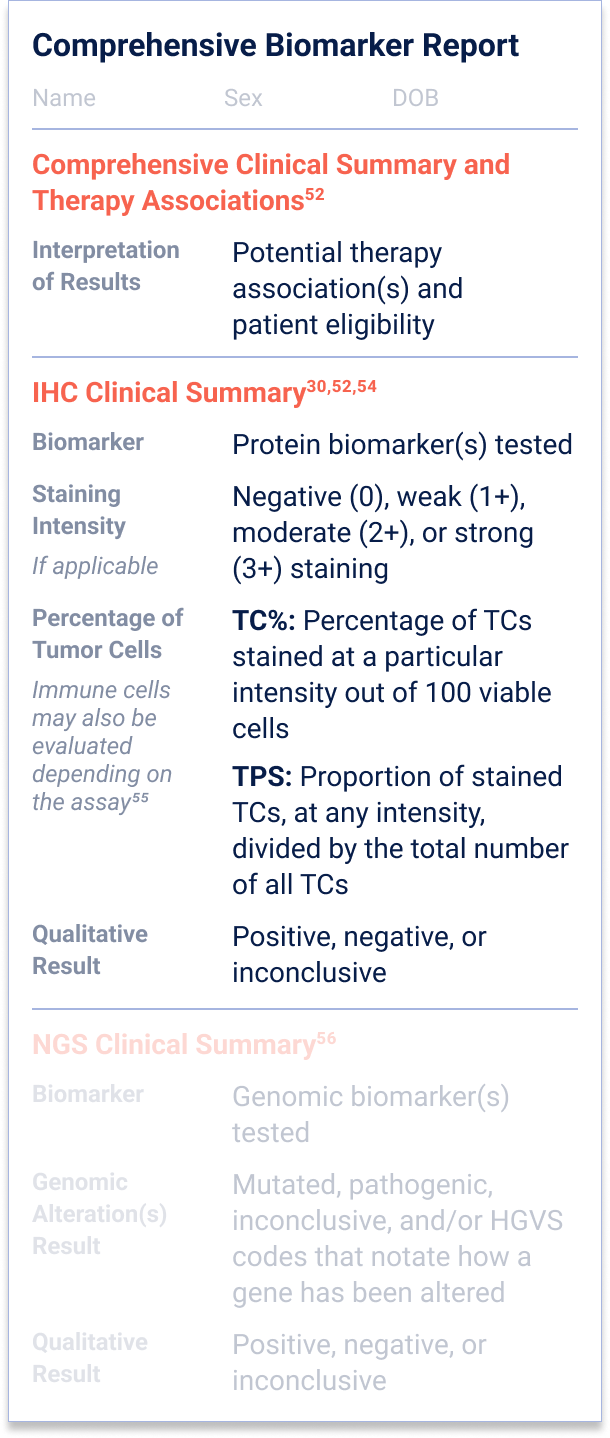
Example for illustrative purposes only.

Comprehensive Sample Report

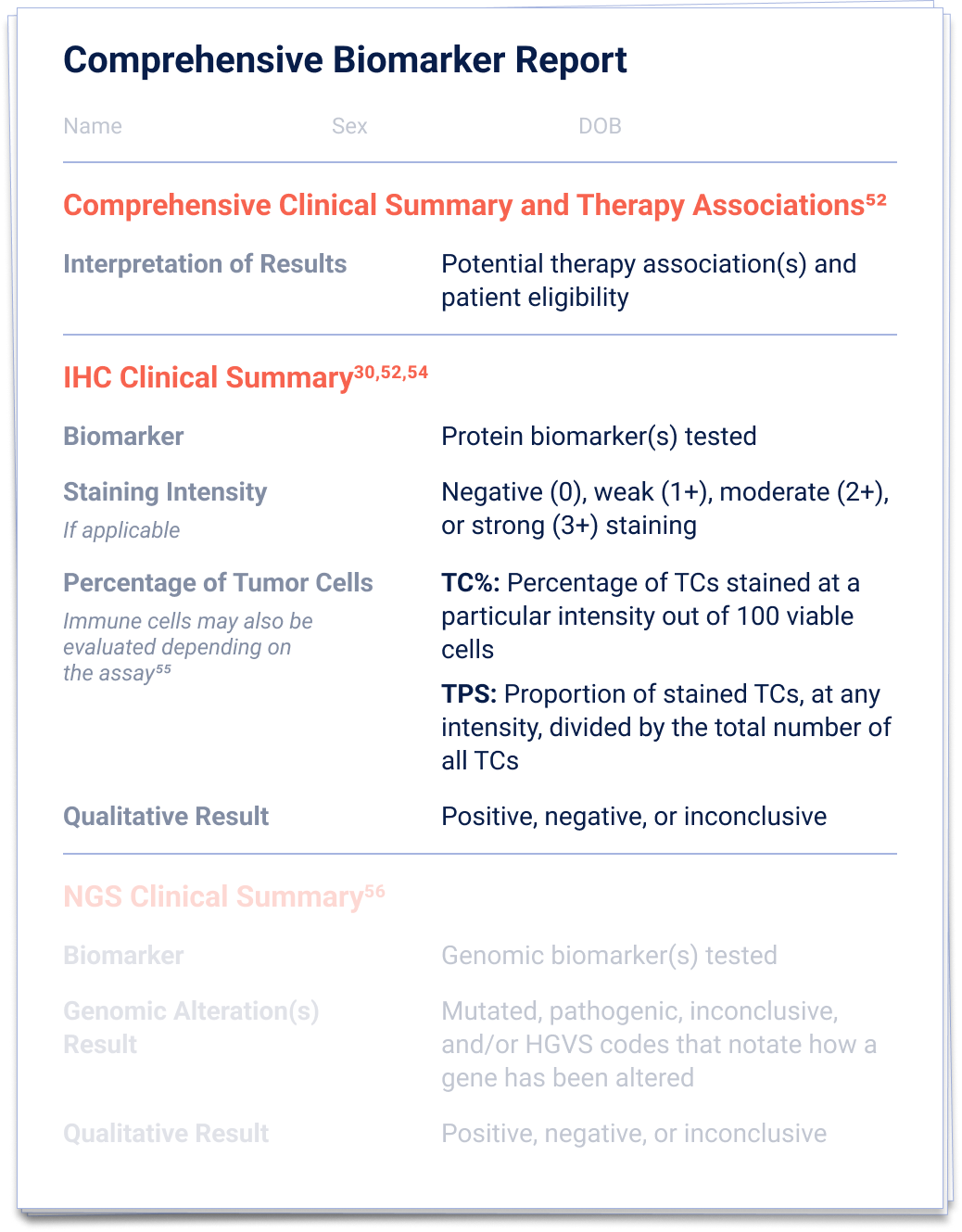
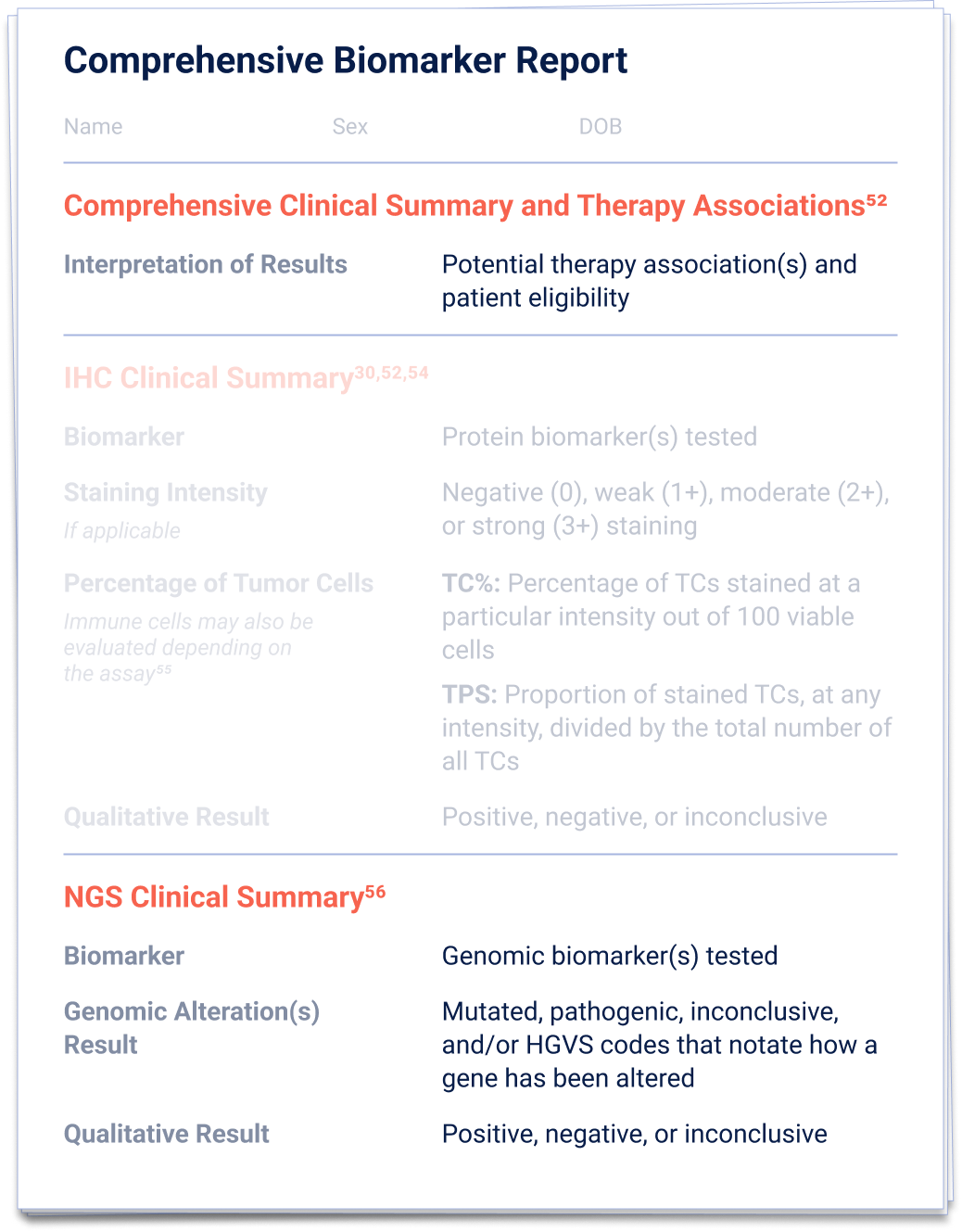
Findings from protein and genomic biomarker analyses can be consolidated into a comprehensive report–which can include various testing methodologies–that can be used by the multidisciplinary team to inform patient care.52,53
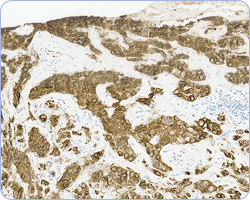
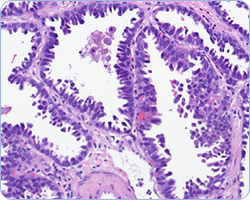
Pathologists evaluate tumor tissue by performing IHC and H&E staining. Specific findings from IHC analysis can include percentage of tumor cells, staining pattern (eg, membranous, cytoplasmic), and staining intensity.30​
Example IHC staining
Example H&E staining
Images are for illustrative purposes only.

H&E=hematoxylin and eosin; HGVS=Human Genome Variation Society; IHC=immunohistochemistry; NGS=next-generation sequencing; TC=tumor cell; TPS=tumor proportion score.
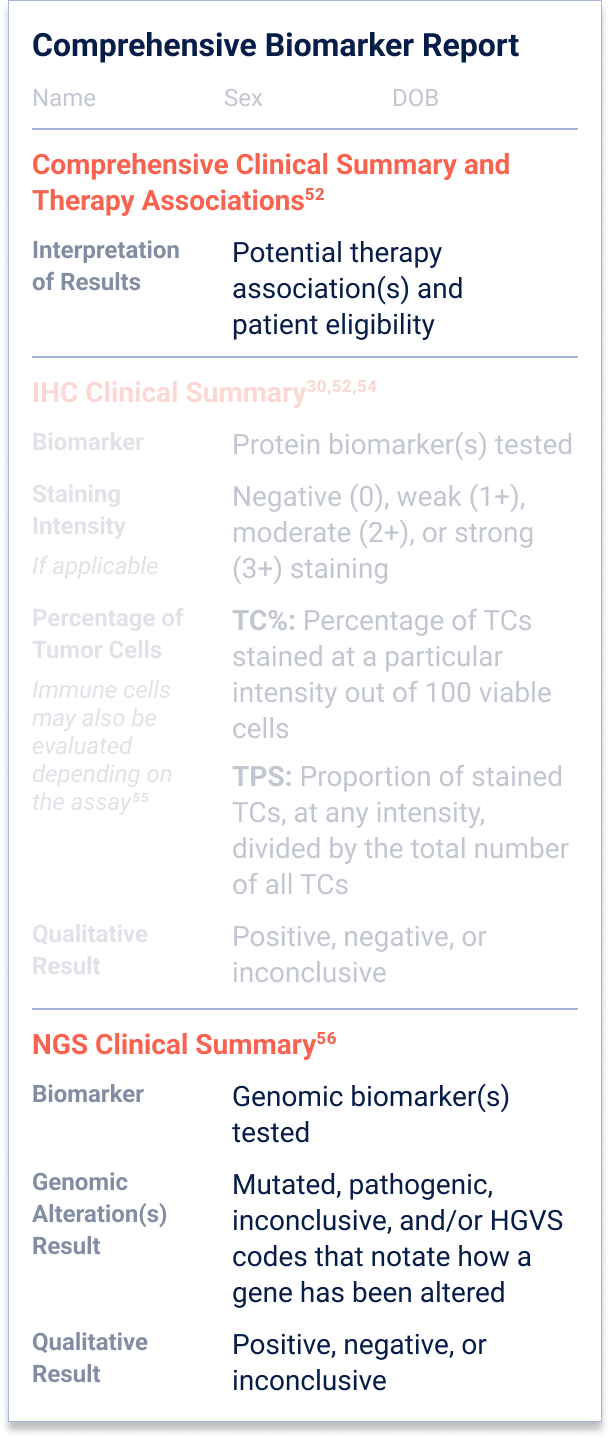
Pathologists also evaluate the NGS results. These results may include genomic variations such as56:
H&E=hematoxylin and eosin; HGVS=Human Genome Variation Society; IHC=immunohistochemistry; NGS=next-generation sequencing; TC=tumor cell; TPS=tumor proportion score.

Comprehensive Sample Report

Findings from protein and genomic biomarker analyses can be consolidated into a comprehensive report–which can include various testing methodologies–that can be used by the multidisciplinary team to inform patient care.52,53
Pathologists evaluate tumor tissue by performing IHC and H&E staining. Specific findings from IHC analysis can include percentage of tumor cells, staining pattern (eg, membranous, cytoplasmic), and staining intensity.30​
Example IHC staining
Example H&E staining
Images are for illustrative purposes only.
Example for illustrative purposes only.
H&E=hematoxylin and eosin; HGVS=Human Genome Variation Society; IHC=immunohistochemistry; NGS=next-generation sequencing; TC=tumor cell; TPS=tumor proportion score.
Pathologists also evaluate the NGS results. These results may include genomic variations such as56:
Example for illustrative purposes only.
H&E=hematoxylin and eosin; HGVS=Human Genome Variation Society; IHC=immunohistochemistry; NGS=next-generation sequencing; TC=tumor cell; TPS=tumor proportion score.